
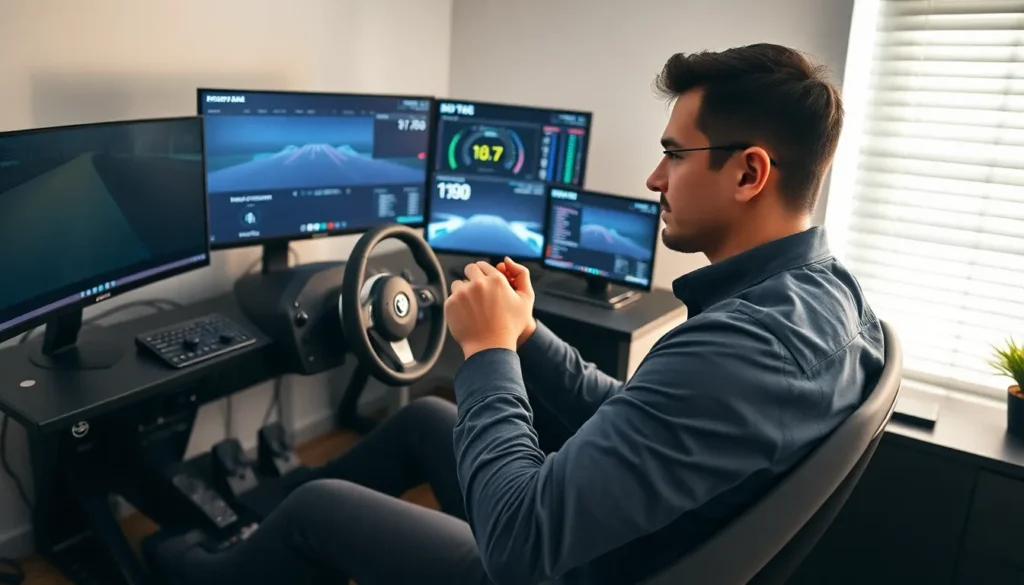

Racing games tools separate casual players from serious competitors. The right hardware, software, and training resources can shave seconds off lap times and improve consistency across sessions. Whether someone races in sim leagues or just wants faster times in their favorite title, the proper equipment makes a measurable difference.
This guide covers the essential racing games tools every competitive player should consider. From steering wheels and pedals to telemetry apps and practice drills, these accessories and programs help drivers extract maximum performance from their virtual machines.
Table of Contents
ToggleKey Takeaways
- Quality racing games tools like direct drive steering wheels and load cell pedals provide essential feedback that helps drivers react faster and build consistent muscle memory.
- Telemetry software such as MoTeC i2 and Sim Racing Telemetry transforms raw data into actionable insights, revealing exactly where you gain or lose time on each lap.
- Car setup significantly impacts performance—use dedicated tuning applications and community-shared baselines to optimize spring rates, dampers, and differential settings for each track.
- Structured training resources including coaching programs, hot lap videos with input overlays, and league racing accelerate skill development faster than random practice lapping.
- Physical fitness and mental training techniques from motorsport psychology help competitive sim racers maintain peak performance during long sessions and high-pressure races.
Hardware Controllers and Steering Wheels
The steering wheel is the most important piece of racing games tools hardware. Direct drive wheels from brands like Fanatec, Thrustmaster, and Logitech provide force feedback that communicates grip levels, weight transfer, and surface changes. This feedback helps drivers react faster than they could with a gamepad.
Pedals matter just as much as the wheel. Load cell brake pedals measure pressure rather than travel, which matches how real cars work. Drivers build muscle memory for consistent braking zones. The Fanatec ClubSport V3 and Heusinkveld Sprint pedals are popular choices among competitive sim racers.
A proper racing cockpit or wheel stand keeps everything stable during intense sessions. Flex in a desk-mounted setup costs time because the wheel and pedals move under pressure. Aluminum profile rigs like the Sim-Lab P1-X or Trak Racer TR160 provide solid mounting points.
Shifters add realism for games that reward manual transmission use. Sequential shifters work well for GT and prototype cars. H-pattern shifters suit classic car simulations. Some racing games tools bundles include both options in one unit.
A button box or external controller panel gives quick access to in-game functions. Drivers can adjust brake bias, traction control, or fuel mixture without taking hands off the wheel. This accessibility saves time during races and reduces mistakes.
Simulation Software and Telemetry Applications
Telemetry software transforms raw data into actionable insights. Programs like MoTeC i2, Sim Racing Telemetry, and built-in analysis tools show exactly where a driver gains or loses time. They display throttle application, braking points, steering inputs, and speed traces lap by lap.
Comparing telemetry against faster drivers reveals specific areas for improvement. A driver might discover they brake too early for turn three or lift off the throttle mid-corner when they shouldn’t. These racing games tools turn guesswork into precise corrections.
Overlay applications display real-time data during sessions. SimHub, for example, shows tire temperatures, fuel levels, and sector times on a secondary screen or tablet. This information helps with strategy decisions and car management during longer races.
Setup sharing platforms let drivers download and upload car configurations. Websites and Discord communities dedicated to specific games host thousands of setups for various tracks and conditions. Starting with a proven baseline saves hours of trial and error.
Voice recognition software adds hands-free control to the racing experience. Crew Chief is a popular choice that reads out gap information, fuel calculations, and weather updates. It acts like a real spotter, keeping drivers informed without cluttering the screen.
Performance Optimization and Setup Tools
Car setup affects lap times more than most players realize. Spring rates, damper settings, anti-roll bars, and differential configurations change how the car responds to inputs. Racing games tools for setup work include spreadsheet calculators and dedicated tuning applications.
Garage 61 and similar programs provide baseline setups with sliders for different driving styles. They explain what each adjustment does in plain language. A driver can select “more oversteer” or “better tire wear” and see which settings to change.
Track-specific setup guides exist for popular title and circuit combinations. These resources explain the unique challenges of each layout. Monaco needs maximum steering lock and soft suspension. Monza requires low downforce and stable braking. Understanding these differences speeds up the learning process.
PC optimization matters for smooth frame rates. Racing games tools performance depends on consistent input response. Frame drops during braking zones cause inconsistency. Drivers should close background applications, update graphics drivers, and use game-specific optimization guides.
Force feedback tuning deserves attention too. Default wheel settings rarely match the game’s output perfectly. Each title has recommended settings from the community. Proper calibration means the wheel tells the driver exactly what the car is doing at every moment.
Training and Practice Resources
Structured practice beats random lapping. Racing games tools for training include coaching programs, tutorial videos, and drill exercises. Driver61, Sim Racing Academy, and similar services offer courses taught by professional drivers and sim racing champions.
Hot lap videos with controller or pedal overlays show exactly what inputs fast drivers use. Watching these while focusing on one corner at a time builds understanding. Pause, study, try it yourself, repeat.
AI racing provides consistent opponents for practicing racecraft. Most simulation titles allow AI strength adjustments. Setting opponents slightly faster than current pace forces improvement without overwhelming the driver.
League racing and organized events push competitive development. Regular competition against human opponents reveals weaknesses that AI races miss. The pressure of points and standings motivates focused practice between events.
Physical fitness affects sim racing performance during long sessions. Neck strength, core stability, and cardiovascular endurance prevent fatigue from hurting lap times late in races. Some competitive players include exercise routines as part of their racing games tools preparation.
Mental training techniques from motorsport psychology apply to sim racing. Visualization, breathing exercises, and pre-race routines help drivers perform consistently under pressure. These skills separate good drivers from great ones.


