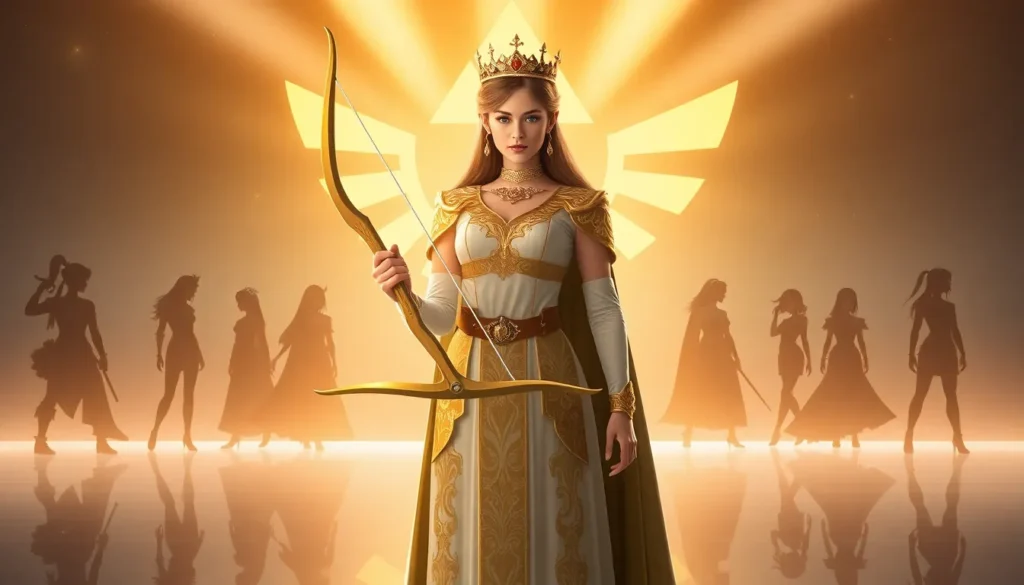

Princess Zelda stands as one of gaming’s most recognizable characters. Since 1986, she has appeared in dozens of titles, evolved through multiple incarnations, and captured the hearts of millions. But how does she stack up against other legendary heroes? The “Zelda vs” debate sparks passionate discussions among fans who compare her to everyone from Princess Peach to Lara Croft. This article examines Zelda’s place in gaming history and measures her against iconic characters across the industry. Whether she’s wielding the Bow of Light or transforming into Sheik, Zelda has proven she’s far more than a damsel in distress.
Table of Contents
ToggleKey Takeaways
- Princess Zelda has evolved from a damsel in distress to a powerful, complex character with magical abilities and multiple playable appearances since 1986.
- In the Zelda vs Peach debate, Zelda typically shows more agency by actively assisting Link with Light Arrows, combat skills, and essential knowledge during quests.
- The Zelda vs Link dynamic forms the franchise’s core, with fans increasingly questioning why Zelda can’t take the lead hero role entirely.
- Zelda’s Triforce of Wisdom grants her unique powers including telepathy, light-based attacks, and prophetic visions that make her essential to defeating Ganon.
- Unlike many gaming characters, Zelda adapts across incarnations—from Sheik to scientist—while maintaining her core traits of wisdom, courage, and dedication.
- Her balance of vulnerability and strength, combined with her emphasis on intelligence over brute force, makes Zelda a standout among gaming heroines.
Understanding Zelda’s Role in Gaming History
Princess Zelda first appeared in The Legend of Zelda for the Nintendo Entertainment System. She was initially portrayed as a captured princess awaiting rescue. But, her character grew substantially over the following decades.
In Ocarina of Time (1998), Zelda took on the secret identity of Sheik. She guided Link through his quest while disguised as a Sheikah warrior. This version of Zelda showed combat skills, wisdom, and independence. The Zelda vs helpless princess stereotype shattered with this portrayal.
The Wind Waker introduced Tetra, a pirate captain who later discovers she is Zelda’s reincarnation. Spirit Tracks gave players direct control of Zelda as a phantom. Breath of the Wild depicted her as a scientist struggling with her magical abilities. Most recently, Tears of the Kingdom sent Zelda on her own separate adventure through time.
Zelda holds the Triforce of Wisdom, one of three sacred relics in the series. This divine power connects her to the goddess Hylia. Many incarnations of Zelda possess magical abilities including telepathy, light-based attacks, and prophetic visions.
Her evolution reflects changing attitudes in game design. Modern Zelda incarnations participate actively in their stories. They fight alongside Link, make crucial decisions, and sometimes serve as playable characters. The Zelda vs other gaming heroines comparison becomes more interesting as her role continues expanding.
Zelda Vs Peach: Nintendo’s Leading Ladies
The Zelda vs Peach debate represents a classic Nintendo rivalry. Both princesses debuted in the 1980s. Both rule their respective kingdoms. Both have romantic connections to their series’ main heroes. Yet their characters developed in remarkably different directions.
Princess Peach rules the Mushroom Kingdom and appears primarily in Super Mario games. She’s been kidnapped by Bowser in most mainline entries. But, Super Princess Peach (2005) cast her as the sole protagonist. She used emotional powers to rescue Mario. The 2023 film The Super Mario Bros. Movie portrayed her as a capable fighter and leader.
Zelda vs Peach comparisons often focus on agency. Zelda typically provides critical assistance to Link during his quests. She fires Light Arrows, holds back evil forces, and shares essential knowledge. Peach, while beloved, spends more time awaiting rescue in her primary series.
Both characters shine in Super Smash Bros. games. Peach uses her umbrella, frying pans, and turnips. Zelda employs magical attacks and can transform into Sheik in earlier entries. The Zelda vs Peach matchup in competitive play often favors Zelda for her powerful finishing moves.
Personality-wise, Peach projects cheerfulness and optimism. Zelda tends toward seriousness and wisdom. Fans appreciate both approaches. The Zelda vs Peach question eventually depends on what players value in a character.
Zelda Vs Link: The Hero and the Princess Dynamic
The Zelda vs Link relationship forms the core of the franchise. Many casual observers confuse them, believing Zelda is the green-clad hero. (She’s not. That’s Link.) This confusion persists even though the series bearing her name.
Why is it called The Legend of Zelda if Link is the protagonist? Creator Shigeru Miyamoto named it after Zelda Fitzgerald, wife of author F. Scott Fitzgerald. He thought the name sounded “pleasant and significant.”
The Zelda vs Link dynamic varies across games. Sometimes they’re childhood friends. Other times, they meet as strangers. Skyward Sword established the first incarnations of both characters and hinted at romantic feelings. Breath of the Wild and Tears of the Kingdom present the deepest exploration of their relationship.
In gameplay terms, Zelda vs Link represents different roles. Link serves as the player’s avatar, a silent hero defined by action. Zelda provides narrative weight, exposition, and emotional stakes. She gives Link’s quest meaning.
Recent titles blur these lines. Hyrule Warriors lets players control Zelda in combat. Cadence of Hyrule features her as a playable option. Fans have long requested a game where Zelda takes the lead role entirely. The Zelda vs Link debate increasingly questions why she can’t be the main hero.
Zelda Vs Other Action-Adventure Protagonists
How does Zelda compare to heroes outside Nintendo? The Zelda vs broader gaming icons conversation reveals interesting contrasts.
Lara Croft (Tomb Raider) shares some similarities with Zelda. Both are intelligent women with royal or aristocratic backgrounds. Both possess combat abilities. But, Lara serves as her series’ playable protagonist while Zelda typically supports Link. The Zelda vs Lara comparison highlights how different franchises handle female characters.
Aloy from Horizon Zero Dawn represents modern protagonist design. She’s strong, independent, and drives her story completely. Zelda vs Aloy discussions often note that Aloy was designed as a lead character from conception. Zelda evolved into a more active role over decades.
Samus Aran (Metroid) is another Nintendo heroine worth mentioning. She’s been a silent, armored bounty hunter since 1986. Samus rarely interacts with other characters. Zelda vs Samus presents very different takes on strength. Zelda uses magic, diplomacy, and wisdom. Samus relies on firepower and isolation.
Nathan Drake and similar action heroes offer another comparison point. Zelda vs these characters shows a different approach to storytelling. Drake cracks jokes and shoots guns. Zelda prays to goddesses and studies ancient technology. Both approaches work within their respective franchises.
Why Zelda Remains a Fan Favorite
The Zelda vs other characters debate matters because fans genuinely love her. But what makes her special after nearly four decades?
First, she adapts without losing her core identity. Each Zelda incarnation differs in age, personality, and abilities. Yet all versions share wisdom, courage, and dedication to their people. The Zelda vs sameness problem that plagues some franchises doesn’t apply here.
Second, she balances vulnerability with strength. Zelda faces capture, curses, and failure throughout the series. She also defeats evil, protects her kingdom, and saves Link when necessary. This complexity makes her relatable.
Third, her powers are unique. The Triforce of Wisdom gives her abilities no other character possesses. Light magic, prophetic dreams, and sealing powers make Zelda essential to defeating Ganon. The Zelda vs “just a princess” stereotype falls apart under examination.
Fourth, her design excellence stands out. Each Zelda wears distinctive outfits reflecting her game’s aesthetic. From Twilight Princess‘s elegant queen to Breath of the Wild‘s practical researcher, artists create memorable looks for every incarnation.
Fans also appreciate her intelligence. Zelda studies, researches, and solves problems. She represents wisdom as a heroic trait. In an industry often focused on combat, Zelda vs brute force presents a different path to heroism.